Baby Chicken with Egg Easter Redwork Review
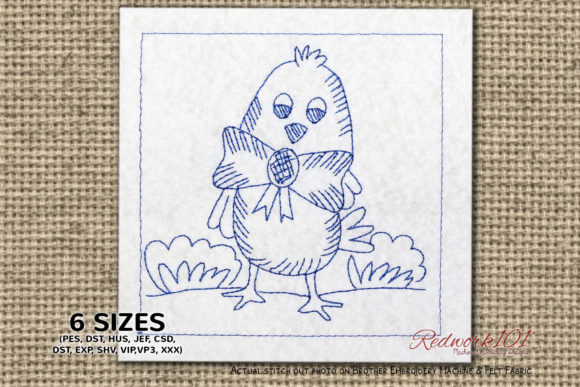
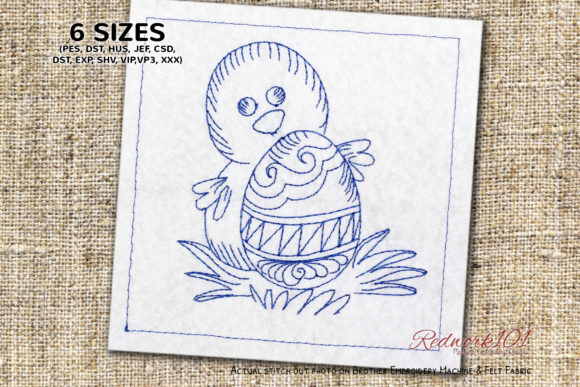
When I first opened the Baby Chicken with Egg Easter Redwork embroidery file, I was immediately taken by its quiet charm. This is not a loud, over-the-top Easter design. It is a gentle, single-color redwork piece that feels both nostalgic and fresh. The baby chicken, tucked beside an egg, carries a soft, hand-drawn quality that makes it feel like a vintage illustration. The optional box stitch adds a decorative border, but I found the design stands perfectly well on its own—especially for projects where you want the focus on the chick and egg, not the frame.
As someone who has tested hundreds of embroidery designs for my own shop and for clients, I always look for three things: stitching clarity, practical size, and emotional appeal. This design delivers on all three. It gives you a clean, recognizable Easter motif without the complexity of dense fill stitches or multiple color changes. That alone makes it a strong candidate for busy small business owners and hobbyists who need reliable, fast-to-stitch designs.
First Impressions: Mood and Layout
The Baby Chicken with Egg Easter Redwork design creates a mood that is sweet, simple, and slightly rustic. The red thread against a light fabric gives it a classic redwork look that feels timeless. The chick is rounded and soft, with minimal detail—just enough to read as a baby chicken. The egg sits beside it, unadorned, which keeps the composition balanced. The optional box stitch, if used, adds a neat perimeter but can be skipped if you want a more organic shape.
Visually, this design belongs on projects that benefit from a small, focused motif: baby clothing, kitchen towels, tote bags, and nursery decor. It also works well for personalized gifts where you want the embroidery to feel intentional but not overwhelming. The size is modest, which means it will fit easily on a standard 4x4 hoop or slightly larger, depending on the specific file dimensions. Always check your hoop size before starting—I recommend testing the design on a scrap piece of fabric first to confirm sizing and stitch quality.
Real-World Performance on Different Products
I recently stitched this design onto a lightweight cotton tote bag for a client who wanted a simple Easter-themed gift. The redwork single-color approach meant I could use a single thread color—bright red—and the stitching was fast. The satin stitch outlines and small running stitch details sewed out cleanly, with no puckering or thread breaks. Because the design uses only red thread, it is incredibly forgiving when you are working with multiple items in a production run. No color changes mean less time per piece, which is a huge advantage for Etsy sellers and small shop owners who need to produce batches of custom apparel or handmade gifts.
I also tested it on a cotton sweatshirt for a boutique order. The fabric was a medium-weight jersey, and I used a tear-away stabilizer. The design sat well on the front chest area, and the red thread popped nicely against the light gray fabric. The chick’s outline remained crisp, and the egg shape held its form. The optional box stitch, however, felt a bit tight on the curved surface of the sweatshirt. I skipped it, and the design looked more natural as a standalone motif. If you are stitching on caps, hats, or other curved surfaces, I suggest testing the box stitch first—it may distort if the hoop cannot accommodate the full shape.
On baby clothes, such as a onesie or a bib, the design is perfectly proportioned. The redwork style is gentle enough for a baby item, but be aware that red thread can sometimes bleed if the garment is washed in hot water. Recommend cold wash and line drying to your customers. For tea towels and kitchen linens, this design adds a charming Easter touch. I used a lightweight cutaway stabilizer to prevent the fabric from puckering, and the result was a professional-looking finished product that could easily sell in a craft fair or online shop.
Where to Use This Design Carefully
While Baby Chicken with Egg Easter Redwork is versatile, there are a few situations where you should exercise caution:
- Small hoop sizes: If you are using a 4x4 hoop, verify that the design fits without trimming. Some file versions may be slightly larger than expected.
- Textured fabrics: On fleece, terry cloth, or thick knits, the redwork stitches may sink into the fabric. Test on a scrap piece first.
- Thin or stretchy fabric: Use a stabilizer with good adhesion—a sticky-backed cutaway works well. The design has minimal fill, so pull and stretch can distort the lines.
- Dark fabric: Red thread on dark fabric may not show well. Consider using a lighter thread color or a white-on-dark effect if the design allows. Alternatively, stitch on a light-colored patch and attach it.
- Layered garments: If you are adding the design to a jacket or hoodie with multiple layers, ensure the needle can penetrate cleanly. A sharp needle and proper stabilizer are essential.
- Frequent washing: For items that will be washed often (like bibs or towels), use a high-quality thread and a stabilizer that won’t break down. Pre-wash the fabric to avoid shrinkage after stitching.
Visual Appeal, Product Value, and Customer Trust
One of the strongest points of this design is how it elevates a simple product into something that feels handmade and thoughtful. The redwork style is immediately recognizable to people who appreciate traditional embroidery, and the baby chicken motif is universally appealing for Easter. When you present a finished piece—whether a personalized gift, a boutique item, or a craft fair product—the clean stitching and classic color scheme build trust with customers. They can see that you took care in selecting a design that stitches out well and looks polished.
For Etsy sellers and small shop owners, this design is a reliable asset. It photographs beautifully, which is critical for product listings. The single-color nature means you can create mockups quickly without worrying about thread color matching. I often use black and white mockups for this design to show the linework, and it works just as well as color. The printable mockup potential is high—you can overlay the design on a tote bag or sweatshirt image and get a ready-to-list preview in minutes.
From a brand consistency standpoint, this design fits well with a rustic, farmhouse, or vintage aesthetic. If your shop sells baby items, kitchen linens, or personalized gifts, the Baby Chicken with Egg Easter Redwork can become a seasonal staple that customers recognize and return for. It also works as a commercial embroidery project for small businesses that want to offer custom Easter apparel or gifts without investing in complex multi-color designs.
Practical Designer Notes
Before you use this design for a real project, I recommend the following steps based on my experience:
- Test on scrap fabric. Always stitch a sample on the exact fabric you intend to use. Check for thread tension, stitch density, and any distortion.
- Check thread color contrast. Red thread on white or cream fabric is classic, but consider a darker red for more visibility. If the design is for a commercial product, test with your actual thread brand.
- Review stitch density. Redwork designs typically have low density, but confirm that the file does not have any unusually dense areas that could cause fabric puckering.
- Confirm hoop size. The design should fit comfortably in your hoop. If it is too close to the edges, use a larger hoop or adjust the placement.
- Inspect small details. The chick’s eye and beak are small details—ensure your needle size and thread weight can handle them without breaking.
- Test in black and white mockups. Convert the design to grayscale or black and white to see if the linework is clear and balanced. This is especially useful for product photography.
- Compare light and dark fabric backgrounds. The design works best on light fabrics due to the red thread. If you want to use it on dark fabric, consider stitching it on a patch first.
- Use proper stabilizer. For most woven and knit fabrics, a medium-weight cutaway stabilizer is ideal. For towels, use a water-soluble topping to prevent the stitches from sinking.
- Check licensing. If you plan to sell finished items or digital products featuring this design, confirm the license terms. Some embroidery files allow commercial use, others do not. Always respect the artist’s rights.
Final Thoughts on Baby Chicken with Egg Easter Redwork
This design is a solid choice for anyone working with machine embroidery who wants a reliable, attractive Easter motif. It is not overly complicated, which makes it perfect for beginners and experienced embroiderers alike. The optional box stitch gives you flexibility, but I found the design most effective when used without it—especially on apparel and soft goods. The redwork style ensures quick stitching, minimal thread changes, and a classic look that never goes out of style.
Whether you are preparing a custom embroidered tote bag for a client, adding a festive touch to a baby shower gift, or expanding your craft business inventory for Easter, this design will serve you well. It is the kind of file you can keep in your digital library and pull out year after year, knowing it will stitch cleanly and delight customers. Just remember to test it first, choose the right stabilizer, and consider your fabric color. With those basics in place, the Baby Chicken with Egg Easter Redwork will become a go-to for your spring and Easter projects.