Easter Bunny Painting Egg Redwork
As an experienced embroidery designer who spends weekends behind a booth at craft fairs, I’ve learned to evaluate a machine embroidery design with a very specific set of criteria. Will it stop a customer mid-stride? Does it sew out cleanly on a tricky fabric? Can I produce ten of these in a single evening without sacrificing quality? When I first looked at the Easter Bunny Painting Egg Redwork design, I immediately started running it through this mental checklist. Here is my honest, real-world review of how this digital embroidery file performs as a craft fair product and what you need to know to turn it into a profitable handmade product.
First Impressions: A Classic Easter Motif
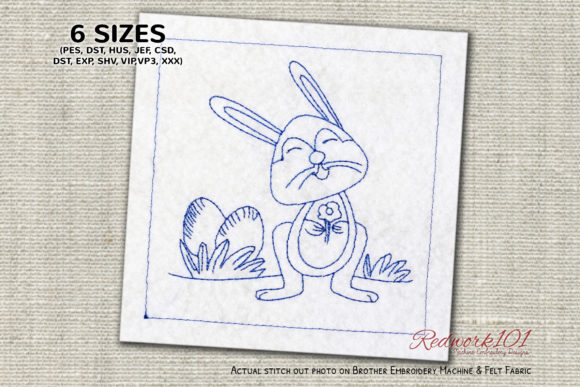
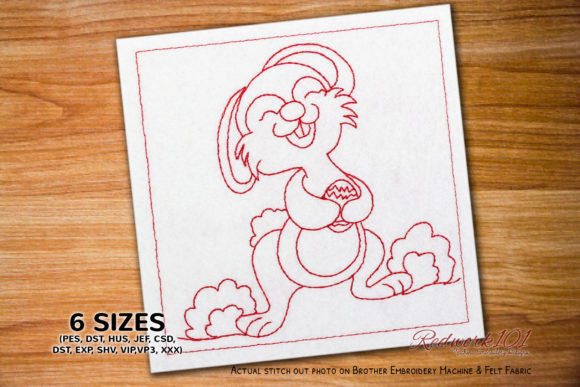
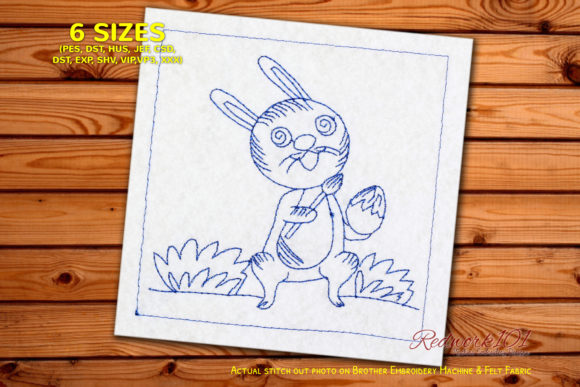
The Easter Bunny Painting Egg Redwork hits a sweet spot between nostalgic and fresh. Redwork, by its nature, carries a strong farmhouse and folk-art aesthetic. It feels intentional, timeless, and premium. It is not a loud, cartoonish Easter design. Instead, it appeals to the customer who appreciates handmade quality and wants something that fits their modern farmhouse or vintage-inspired decor. The bunny actively painting an egg adds a gentle narrative element, making it a perfect conversation starter at your booth. This design tells a story, and that is a powerful tool for engaging buyers.
From a design perspective, the high contrast of the red thread on a natural or white background creates an immediate visual hook. It passes the “three-second glance test” effortlessly. A customer walking through a crowded market can spot this design from across the aisle, which is half the battle in a busy retail environment. The optional box stitch adds a structured, framed element that elevates the perceived value, making it feel like a piece of art rather than just a simple embroidered patch.
Matching the Design to Top-Selling Products
Not every design works on every blank. The Easter Bunny Painting Egg Redwork is versatile, but it has specific strengths. Here is how I would pair it for maximum sales at a craft fair or in an Etsy shop.
Tote Bags, Tea Towels, and Pillow Covers
This is where redwork truly shines. A natural linen tea towel with this design centered in the middle is a guaranteed bestseller. The clean lines of the embroidery stand out beautifully against the open weave of the linen. For a tote bag design, I would place it on a medium to large structured tote. The box stitch acts as a frame, turning the bag into a walking billboard for quality handmade design. For pillow covers, the Easter Bunny Painting Egg Redwork creates a premium seasonal decor item. A 12x12 or 16x16 inch pillow insert allows the design to breathe, and the “painting egg” theme is a subtle nod to the season without being overwhelmingly saccharine.
The Optional Box Stitch Advantage
The product description mentions that the outer box stitch is optional and often a different color. This is a massive advantage for production flexibility. I strongly recommend testing the design both with and without the box before committing to a batch. Without the box: The design becomes more organic and free-flowing. This is perfect for caps, small pouches, or fabric pouches where space is tight. With the box: The design takes on a polished, framed appearance. This increases the perceived value significantly, making it ideal for tea towels, wall art, and pillow covers. If the box is a different color, you have the option to maintain a strict redwork palette (single color) for a classic look, or use the contrasting color to add a modern, layered dimension. Test both versions to see what your specific audience responds to best.
Production Efficiency for the Etsy Seller
For a small shop product, production speed and reliability are everything. The Easter Bunny Painting Egg Redwork is designed to be a workhorse, but there are technical considerations you need to address.
Stitch Density and Batch Runs
Redwork designs are typically characterized by low to moderate stitch density. This translates directly to faster production times and less wear and tear on your machine. You can easily produce a dozen embroidered tea towels or tote bags in a single evening without constant thread changes. The minimal thread colors (often just one or two) streamline the process further. For commercial embroidery businesses, this efficiency means higher margins and the ability to fulfill larger wholesale orders. Load your bobbins, set your hoops, and let the machine run. This is a production-friendly design asset.
Fabric and Stabilizer Recommendations
Because redwork relies on clean, continuous lines, your fabric choice and stabilizer are critical. Avoid dark fabrics. The red thread will not provide enough contrast. Stick to white, cream, soft gray, light yellow, or mint green for a vintage Easter feel. Avoid highly textured fabrics. Thick terry towels or boucle can distort the line art, causing the design to lose clarity. Smooth cotton, linen, and performance fabrics are the best choices. Use a high-quality cutaway or tear-away stabilizer. For towels, a sticky stabilizer is a must to prevent shifting. Always test on the exact fabric you plan to use. Check your tension carefully. Redwork is unforgiving with poor tension; a loose top thread or bobbin pull will be very obvious in the finished product.
Booth Display and Customer Engagement
When I set up my craft fair product display, I create zones. The Easter Bunny Painting Egg Redwork design would anchor a “Farmhouse & Vintage” zone. I would display it on a natural linen tea towel draped over a wooden ladder and on a pillow cover propped up in a vintage chair. The monochromatic red thread creates a powerful visual rhythm. It tells the customer that this is a considered, high-quality product. Grouping several redwork items together creates a cohesive “vintage corner” that draws customers in. The “bunny painting egg” theme is also a great conversation starter. It allows you to tell the story of the design, which builds a connection with the buyer and justifies the price of a handmade item.
Making the Sale: Photography and Perceived Value
Etsy sellers will appreciate how well this design photographs. The high contrast of red on a light background is extremely camera-friendly. It doesn’t require complex lighting to show off the details. In your product photos, get a close-up of the stitching. Let customers see the texture of the thread and the fabric. Pair it with natural props like a wooden egg, a sprig of lavender, or a vintage book. This creates a lifestyle image that sells a feeling, not just a product. The perceived value of a well-executed redwork piece is high. It looks like a specialty item, which allows you to price it at a premium compared to more common, multi-color embroidery designs. The box stitch, if used, adds to this premium feel, making the product look “ready to gift” or “ready to hang.”
Final Verdict: Is It Booth-Ready?
The Easter Bunny Painting Egg Redwork is a strong contender for your spring and Easter product lineup. It has the classic appeal, production efficiency, and visual impact needed to succeed in a competitive handmade market. However, success depends entirely on execution. Here is your action checklist:
- Test the design on your specific fabric with your specific stabilizer.
- Check the box stitch. Do you keep it or skip it? Test both versions.
- Confirm your licensing. Ensure you have a commercial license for the digital embroidery file before selling any finished products.
- Review the hoop size. Make sure it fits your machine and the blanks you plan to use.
- Create a real mockup. Stitch it out on a finished product so you can photograph it and show it at your booth.
When done right, this design connects with the customer who values tradition, quality, and subtle beauty. It is a versatile pattern that can elevate a simple tea towel into a treasured gift or turn a plain tote bag into a booth favorite. If you are a craft fair seller or an Etsy shop owner looking for a design that balances charm with practical production, this is a file worth adding to your collection.