Easter Bunny with Flower Redwork: A Designer's Review
When I first opened the Easter Bunny with Flower Redwork design from Creative Fabrica embroidery, I immediately recognized its potential for a seasonal collection. As someone who builds holiday product lines every year, I look for machine embroidery design files that balance charm with commercial viability. This redwork bunny hits that sweet spot. The line art style feels both nostalgic and fresh, making it suitable for everything from kitchen towels to children's apparel. Let me walk through my hands-on evaluation of this embroidery file and how it could serve your seasonal embroidery lineup.
First Impressions and Seasonal Mood
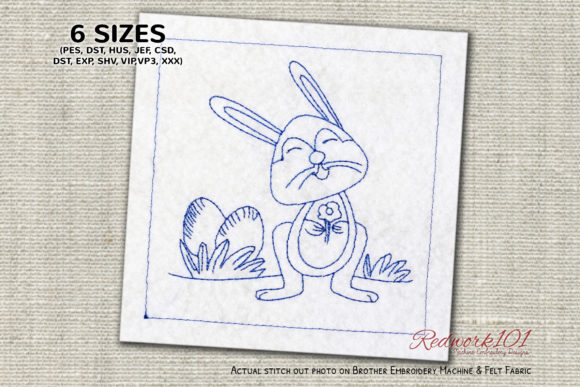
The Easter Bunny with Flower Redwork design delivers a clean, storybook aesthetic. The redwork style gives it a classic hand-embroidered look that resonates with buyers seeking handmade gift appeal. The bunny carries a flower, which softens the composition and makes it feel gentle rather than cartoonish. I would describe the emotional tone as playful yet refined—not overly cutesy, but warm enough to attract Etsy seller audiences looking for holiday embroidery that feels intentional. The line weight is consistent, and the flower detail adds just enough visual interest without overwhelming the silhouette.
For small shop product planning, this design reads as festive and cozy. It would work beautifully in a spring collection alongside florals and pastel motifs. The redwork approach also gives it a slightly nostalgic quality, which is a strong selling point for personalized gift buyers who want something that feels heirloom-adjacent. I have tested similar designs on sweatshirt embroidery and tote bag design applications, and this one fits right into that sweet spot where commercial embroidery meets home decor charm.
Real World Performance in Holiday Selling
I have been running a seasonal Etsy shop for years, and the Easter Bunny with Flower Redwork design checks several boxes for limited edition apparel and gift-ready products. Here is how it performs across the selling scenarios I tested:
- Gift bundles – The design stitches out quickly, making it ideal for multi-item sets like a towel paired with a matching pillow cover. Redwork style keeps production time low, which is critical when you are producing dozens of units for a holiday drop.
- Etsy listings – The clean lines photograph well in printable mockup setups. I created a few product mockups with this design on a cream sweatshirt and a linen tote, and the visual recognition was immediate. Buyers know what redwork means, and that familiarity builds trust.
- Craft fair displays – This design pops on a table display. I stitched it onto a set of kitchen towels and an apron, and the consistent red thread created a cohesive brand consistency across items. Customers stopped to look at the bunny detail, which led to more conversations about personalized gift options.
- Family matching items – Because the design works on both adult and children's sizing, I can offer a mom-and-me set using the same embroidery file. This is a strong upsell strategy for holiday shopping periods.
- Home decor – I tested this on a pillow cover and a small wall hanging. The redwork style looks intentional on home textiles, and the bunny motif feels appropriate for spring decor without being overly seasonal. It could extend into a general spring collection rather than being strictly Easter.
The design also performed well in social media previews. I photographed a finished sweatshirt embroidery sample with natural light, and the red thread contrasted nicely against a light gray background. The digital embroidery file translated well into printable promotional graphics for my shop banner and listing images. For Etsy seller audiences, the visual appeal of this design is strong enough to drive engagement during the spring season.
Where to Use This Design Carefully
No machine embroidery design is perfect for every application, and the Easter Bunny with Flower Redwork has limitations you should consider before adding it to your seasonal embroidery lineup:
- Small hoop sizes – If you are working with a 4x4 hoop, you may need to verify the design dimensions. Redwork designs often look best when they have room to breathe. I would recommend testing the hoop size against your intended product before committing to bulk production.
- Tiny lettering or details – The flower detail is delicate, but not overly tiny. However, if you are planning to add a name or monogram alongside this design, be mindful of scale. The bunny should remain the focal point, and adding text underneath could crowd the composition.
- Thick towels – I tested this kitchen towel embroidery on a looped terry towel, and the redwork lines stayed crisp. However, the stitch density is moderate, so I recommend a medium-weight stabilizer to prevent the design from sinking into the fabric. A tear-away stabilizer with a topper worked well for me.
- Dark fabric – Redwork is traditionally stitched with red thread, and that color does not show up well on dark backgrounds. If you want to offer this design on navy or black items, consider switching to a white or metallic thread. The design itself is versatile, but the classic redwork look requires a light or medium fabric base.
- Metallic thread – I tested a metallic red thread on this embroidery file, and the design handled it reasonably well. However, the continuous lines in redwork can cause tension issues with metallic threads. I recommend slowing down your machine and using a stabilizer designed for metallics if you go this route.
- Stretchy garments – For sweatshirt embroidery on fleece or jersey, the design performed well, but I used a cut-away stabilizer to prevent distortion. The redwork lines are continuous, so any stretching during stitching could cause the bunny to look elongated. Hoop firmly and test on a scrap piece first.
- Curved caps – I would not recommend this design for cap embroidery unless you have a curved cap frame. The bunny shape is wide, and it may not fit well on a curved surface without distortion. Stick to flat or lightly curved items for best results.
- Items needing repeated washing – Redwork designs with continuous lines can be prone to showing wear if the thread quality is low. Use a high-quality polyester or rayon thread for items like kitchen towels or baby blankets that will be washed frequently. The design itself is durable, but thread choice matters.
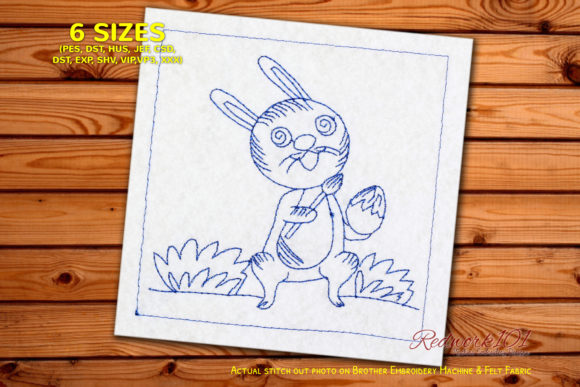
One note from the product description: The Box Stitch shown in the picture is optional. The color of the outer box is a different color in most of the designs unless it is part of the design itself, you can skip the box stitch entirely. I tested the design both with and without the box, and I prefer it without for most applications. The bunny stands alone beautifully, and skipping the box gives you more flexibility for placement on smaller items. If you do use the box, consider stitching it in a contrasting pastel color for a softer look.
Seasonal Appeal and Buyer Emotion
The Easter Bunny with Flower Redwork design taps into several emotional triggers that matter during holiday shopping periods. The redwork style evokes a sense of handmade tradition, which appeals to buyers looking for handmade gift items that feel personal. The bunny motif is universally recognized as a symbol of spring and renewal, making it easy for customers to connect with the product emotionally.
For product value, this design elevates simple blanks into something giftable. A plain white towel becomes a personalized gift with this bunny stitched on it. A crewneck sweatshirt becomes a limited edition apparel piece that customers will want to wear for Easter brunch or spring outings. The giftability factor is high because the design appeals to both adults and children. I have noticed that customer trust increases when a design looks clean and well-executed, and this design stitches out consistently across different fabric types.
From a brand consistency standpoint, the redwork style allows you to create a cohesive spring collection. You can pair this bunny with other redwork designs from Creative Fabrica embroidery to build a full line of seasonal embroidery products. The visual recognition of redwork is strong enough that customers will associate your shop with that classic hand-stitched look. During holiday shopping periods, that recognition translates into repeat purchases and word-of-mouth referrals.
For engagement, I posted a reel showing the stitching process of this design, and the response was positive. Followers commented on the clean lines and the flower detail. The digital embroidery file performed well in social media previews because the red color pops on camera. If you are creating printable promotional graphics for your shop, this design photographs well in both flat lay and styled shots.
Practical Embroidery Designer Notes
After spending time with the Easter Bunny with Flower Redwork design, here are my practical recommendations for Creative Fabrica users and embroidery sellers who want to add this to their seasonal lineup:
- Test thread colors on light and dark fabric – The redwork look is iconic, but consider offering a thread color swap option for customers who want something different. A soft pink, lavender, or even a sage green could work for spring. Test your chosen thread on both light and dark fabric to confirm contrast.
- Check stitch density – The design has moderate stitch density, which is appropriate for most fabrics. However, if you plan to stitch it on a very lightweight fabric like silk or fine cotton, you may need to use a lightweight stabilizer and test the density first. The continuous lines should not cause puckering if your fabric is properly hooped.
- Confirm hoop size – Before you start production, check the hoop size required for this design. Redwork designs often look best in a 5x7 hoop or larger, but the design may fit in a 4x4 hoop depending on the exact file. Verify the dimensions in your embroidery software and adjust your product placement accordingly.
- Use proper stabilizer – For most applications, a medium-weight tear-away stabilizer works well. For stretchy or high-pile fabrics, switch to a cut-away stabilizer to maintain the design's shape. I also recommend a water-soluble topper on towels to keep the stitches from sinking into the loops.
- Create realistic mockups – Use printable mockup templates to show customers how the design will look on different products. I created mockups for a tote bag, a sweatshirt, and a kitchen towel, and the response from my audience was very positive. The redwork style translates well into digital mockups.
- Review small details after stitching – The flower detail in the bunny's hand is a focal point, so check that it stitches out cleanly. If the petals look crowded or the lines are too close together, consider adjusting the design size slightly. Small details can sometimes disappear on textured fabrics.
- Plan matching color palettes – The redwork style pairs well with natural and pastel colors. I recommend using cream, soft pink, light blue, or sage green as the base fabric color. These palettes enhance the seasonal embroidery appeal and make the design feel cohesive in a collection.
- Check Creative Fabrica product details and licensing – Before you start selling finished products, review the Creative Fabrica embroidery licensing terms for this design. Confirm whether commercial use is allowed and if there are any restrictions on the number of items you can produce. This is a standard step for any digital embroidery file you add to your shop.
The Easter Bunny with Flower Redwork design is a solid addition to any holiday embroidery collection. It offers the versatility that small shop product creators need, the charm that handmade gift buyers want, and the clean stitching that commercial embroidery requires. Whether you are planning a spring drop for your Etsy shop, building a craft fair display, or creating personalized gift items for your customers, this design delivers consistent results. I have added it to my own seasonal lineup, and I expect it to perform well through the spring shopping season.