Flowers and Butterflies Lineart
When I first opened the Flowers and Butterflies Lineart embroidery file, I immediately recognized its potential for weekend craft fair booths and handmade market displays. This machine embroidery design hits a sweet spot between delicate femininity and crisp, clean linework that customers gravitate toward when browsing tables of tote bags, aprons, and tea towels. As someone who has tested hundreds of designs for commercial embroidery production, I want to walk you through exactly how this design performs in real-world selling scenarios, what you should watch out for during stitching, and how to position it for maximum sales at your next event.
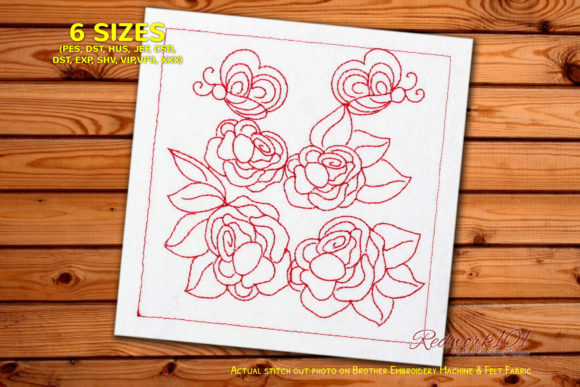
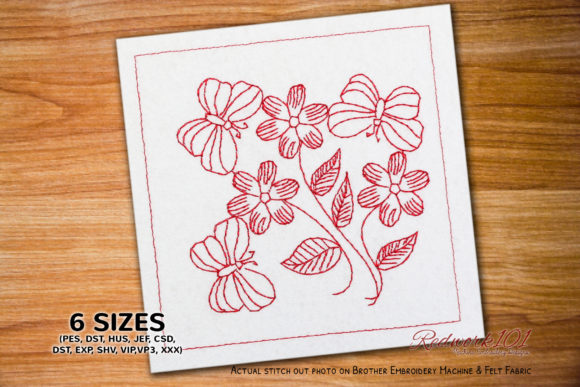
The Flowers and Butterflies Lineart design delivers a first impression that feels both soft and decorative with a touch of modern farmhouse appeal. The lineart style keeps it from looking too cutesy or juvenile, which means it works across a wide range of ages and aesthetics. That versatility is gold for handmade product sellers who need to appeal to different buyer personalities from a single booth display. The butterfly and flower motif sits naturally in the Bugs category, but it does not scream "insect" in an off-putting way. Instead, it reads as garden-inspired elegance that feels fresh rather than fussy.
One detail from the product description deserves attention: "The Box Stitch shown in the picture is optional. The color of the outer box is a different color in most of the designs unless it is part of the design itself, you can skip the." This is a practical advantage for production. You can choose to include the box stitch for a framed, finished look, or skip it to let the lineart float freely on your product. That flexibility lets you create two distinct product variations from a single embroidery file, which is smart inventory management for any small shop product line.
How This Design Performs on Popular Craft Fair Products
I have mentally placed Flowers and Butterflies Lineart on every product I typically bring to a craft fair, and here is what I see working well.
On a tote bag design, this embroidery sits beautifully as a centerpiece motif. The lineart style does not fight with the bag's structure, and it reads clearly from a few feet away, which matters when customers are scanning your booth from a distance. For an apron embroidery application, the design works well on the front bib or lower pocket area. The floral elements feel natural in a kitchen or garden context, and the butterfly adds a touch of whimsy without sacrificing professionalism.
I am especially fond of this design on tea towel embroidery. The lineart stitches out cleanly on cotton and linen blends, and the open areas of the design allow the fabric texture to show through. That interplay between thread and weave is exactly what handmade shoppers notice and appreciate. For embroidered patch production, the lineart style reduces the risk of the patch feeling too heavy or stiff. It will sit flat on bags, jackets, and hats without pulling or puckering.
Smaller items like fabric pouches and pillow covers also benefit from this design. The motif scales well, and because it is lineart, it does not overwhelm compact surfaces. A small pouch with a single butterfly and flower cluster becomes a quick, giftable item that you can price at a lower point to attract impulse buyers. On market bags, the design adds a handmade touch that elevates a simple cotton bag into a boutique product worth a premium price.
Practical Selling and Production Advantages
One of the strongest selling points of Flowers and Butterflies Lineart is how easy it is to understand at a glance. Customers do not have to squint or ask what the design is. They see flowers and butterflies, and they immediately connect with the imagery. That instant recognition is critical for booth display strength, especially when you are competing for attention in a busy market hall.
The design works as both a small accent and a large focal design. If you stitch it at a smaller size on a cap or pocket, it reads as a subtle decorative detail. At a larger size on a tote or pillow, it becomes the main visual anchor of the product. This dual-use nature means you can stock multiple product types from a single embroidery file, which simplifies your production workflow and reduces the number of digital embroidery file purchases you need to make.
For Etsy seller listings, this design photographs beautifully. The lineart style creates clear contrast against most fabric backgrounds, which means your product photos will look sharp and professional without needing heavy editing. I recommend stitching a sample on light cream or natural linen fabric for your primary listing photos, then showing a second variation on a darker background to demonstrate the design's range. Good printable mockup assets can help you test different color placements before you commit to production.
Careful Use Notes for Reliable Production
Every experienced embroidery designer knows that lineart designs come with specific considerations. Here is what I want you to check before you start batch production with Flowers and Butterflies Lineart.
- Dense stitch areas: Lineart designs typically have concentrated stitching in the outlines and detail areas. Check your embroidery software for any spots where multiple elements overlap. If the butterfly antennae or flower centers have heavy stitch density, you may need to adjust the underlay or reduce the stitch count slightly to avoid fabric puckering.
- Tiny details: The fine lines that give this design its elegant look can become problematic if you stitch them too small. If you plan to scale the design down for caps or small pouches, stitch a test sample first. Details that look clear on screen at 3 inches wide may blur together at 1.5 inches.
- Small lettering: The product description does not mention lettering, but if you plan to pair this design with text, keep the font size generous and the style simple. Script fonts and fine lineart do not always play well together, especially on textured fabrics.
- Thick fabric and textured towels: On thick materials like terry cloth towels or heavy canvas tote bags, the lineart may sink into the fabric texture. Test on a scrap piece of your actual product fabric before committing to a full run. You may need to increase the density slightly or use a different stabilizer to maintain crisp lines.
- Curved cap surfaces: If you are stitching this design on a cap, position it carefully. The lineart style needs a relatively flat surface area to read clearly. Avoid placing it near the crown seam or along the curved brim edge where distortion can occur.
- Dark fabric: On dark or black fabric, the lineart may lose visibility if you use a single thread color. Consider using a slightly thicker thread weight or adding a subtle outline in a contrasting color to ensure the design pops. A white or light pastel thread on dark fabric can look stunning, but only if the stitch density is sufficient to cover the background.
Visual Appeal and Customer Engagement
When a customer picks up a product with Flowers and Butterflies Lineart, the first thing they notice is the craftsmanship. The clean lines and open spaces make the stitching look intentional and refined. This design does not try to hide behind dense fill stitches or complicated color changes. It lets the thread quality and stitch precision speak for themselves, which is exactly what handmade buyers are looking for.
The handmade quality of this design also contributes to brand consistency. If you position your booth around garden-inspired, farmhouse, or nature-themed aesthetics, this embroidery fits seamlessly into your existing product lineup. Customers who buy a tote bag from you this season will recognize the style when they see your pillow covers and tea towels next season. That visual consistency builds trust and encourages repeat purchases.
For buyer engagement, I have found that butterfly and flower motifs naturally invite conversation. Customers will comment on the design, ask about the inspiration, and often share stories about their own gardens or favorite butterflies. That interaction buys you time to build rapport and ultimately close the sale. A design that starts conversations is a design that moves inventory.
Practical Embroidery Designer Notes for Production
Before you stitch Flowers and Butterflies Lineart for your next craft fair, run through this checklist to ensure smooth production and consistent results.
- Test on scrap fabric: Always stitch a sample on the exact fabric you plan to use for your finished products. Fabric weight, weave, and texture all affect how the lineart reads. A design that looks perfect on quilting cotton may behave differently on linen or canvas.
- Check thread contrast: The lineart style relies on clear contrast between the thread and the fabric. Test a few thread color options against your fabric samples. A dark teal thread on a soft cream background can look more sophisticated than basic black or white.
- Review spacing: Look at the spacing between the flowers and butterflies. If the elements are too close together, the design may feel cramped at larger sizes. If they are too far apart, it may feel disconnected. Adjust the layout in your embroidery software if needed to match your product proportions.
- Confirm hoop size: Make sure the design fits comfortably within your hoop size with adequate margin for stabilizer and fabric movement. Crowding the hoop edge increases the risk of registration issues and thread breaks.
- Inspect stitch density: Check the density of the lineart strokes. If the stitches are too dense, the fabric may pucker or the thread may break. If they are too sparse, the design may look incomplete. Most lineart designs benefit from a density setting that balances coverage with flexibility.
- Use the right stabilizer: For lineart on woven fabrics like tea towels and aprons, a tear-away stabilizer usually works well. For knits or stretchy fabrics, switch to a cut-away stabilizer to prevent distortion. Test both options on your specific fabric before committing to a production run.
- Create at least one real mockup: Do not rely solely on digital previews. Stitch one complete product and photograph it in natural lighting. Use that image for your Etsy listings, booth signage, and social media promotion. A real mockup sells better than any digital rendering.
- Compare fabric colors: Stitch samples on at least three different fabric colors before deciding your product lineup. You may discover that the design looks best on a color you had not initially considered.
- Confirm commercial licensing: Before selling any finished product featuring this embroidery file, review the license terms from the designer. Some digital embroidery files allow unlimited commercial use, while others require attribution or limit production volume. Know your rights before you invest in materials and production time.
Final Thoughts for Craft Fair Sellers and Handmade Makers
Flowers and Butterflies Lineart is a strong addition to any machine embroidery design library for craft fair sellers and handmade product businesses. Its versatility across tote bags, aprons, tea towels, patches, pouches, and pillow covers makes it a practical choice for batch production. The optional box stitch gives you two product looks from one file, and the lineart style ensures clear visibility and easy customer recognition.
As with any embroidery project, success comes down to testing and preparation. Stitch samples, check your thread colors, confirm your hoop size, and verify your commercial embroidery licensing before you go into full production. The effort you put into preparation will show in every finished product you put on your table.
If you are an Etsy seller or small shop product creator looking for a design that photographs well, stitches cleanly, and appeals to a broad audience, this digital embroidery file deserves a spot in your rotation. Pair it with quality fabric, consistent stitching, and thoughtful booth display, and you will have a product that moves from your table into customers' hands with confidence.