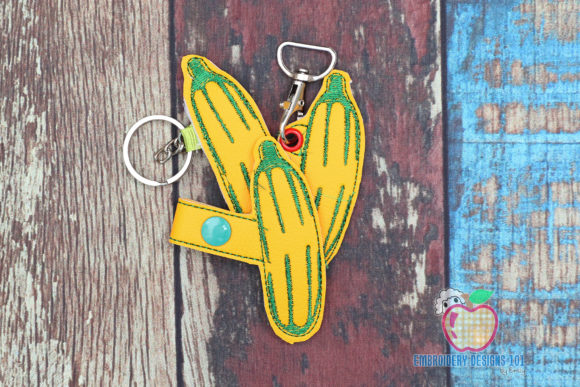
Fresh Cucumber in the Hoop Keyfob
When I first opened the Fresh Cucumber in the Hoop Keyfob embroidery file, I knew immediately this was a design that would stop customers at a craft fair booth. There is something about a crisp, recognizable vegetable rendered in thread that pulls people in. Handmade market shoppers love food-themed embroidery, especially when it feels fresh, playful, and well-suited to kitchen and garden displays. As someone who has been testing and selling machine embroidery designs for years, I want to share my honest review of this pattern and how it performs when turned into real products for a weekend show.
A First Look at the Design
The Fresh Cucumber in the Hoop Keyfob reads as a cute, farmhouse-style motif with a clean, modern edge. The name alone suggests a compact, finished piece that works well as a small gift item. The mood is lighthearted and rustic, not overly elegant or formal. It feels like something you would see on a farmhouse kitchen towel or a market bag. The design leans toward the decorative and whimsical side of food embroidery, which makes it highly giftable. For a craft fair product, that is a strong advantage. Customers often buy food-themed embroidery because it makes them smile or reminds them of home gardens and summer markets.
Because the design is centered on a single cucumber, it has a bold silhouette that reads well from a few feet away. That is critical for booth display. Shoppers walking past a table filled with embroidered items need to see what a design is instantly. Fresh Cucumber in the Hoop Keyfob delivers that visual clarity. The shape is unmistakable, and the color palette of greens and subtle highlights will draw the eye without being overwhelming.
How It Performs on Different Products
I always test a new machine embroidery design on several product types before committing to batch production. Fresh Cucumber in the Hoop Keyfob is versatile enough to work on multiple surfaces, but some products will sell better than others at a craft fair.
Tea Towels and Kitchen Towels
This is where the design truly shines. Fresh Cucumber in the Hoop Keyfob on a linen or cotton tea towel feels like a natural pairing. The vegetable motif fits the kitchen context perfectly. The design size appears to be well-suited for a towel hem or lower corner placement. For a small shop product, this combination is easy to produce in batches and consistently sells well. I recommend testing the design on a medium-weight towel with a tear-away stabilizer. The stitch density looks moderate, so the towel should not pucker if hooped properly.
Tote Bags and Market Bags
A tote bag design featuring Fresh Cucumber in the Hoop Keyfob is a strong craft fair product. The food theme pairs naturally with reusable shopping bags. The design works as a small accent on the front pocket or as a larger focal point. If the embroidery file allows for scaling, I would keep it at a size that remains legible without losing detail. Tote bags made of cotton canvas or natural twill will hold the stitches well. This is a repeatable product that can be made in multiple colors, though light and medium fabrics will show the green thread colors best.
Aprons
Apron embroidery with Fresh Cucumber in the Hoop Keyfob is an obvious win for handmade markets. Gardeners, home cooks, and foodies are the exact customers who stop at booths featuring vegetable motifs. The design can be placed on the bib, the waist, or a pocket. Aprons made from cotton or cotton-poly blends will stitch cleanly. I would use a cut-away stabilizer for aprons that will be washed frequently. The finished product feels practical and charming, exactly what small shop buyers look for.
Embroidered Patches
Turning Fresh Cucumber in the Hoop Keyfob into an embroidered patch is a smart move for craft fair sellers. Patches are low-cost to produce, easy to display, and appeal to customers who want to personalize their own bags or jackets. The design has enough shape definition to work as a standalone patch. I would test the stitch density on felt or twill backing. If the design has dense stitch areas, a patch may need extra stabilizer or a slower stitch speed to prevent distortion.
Keyfobs and Small Pouches
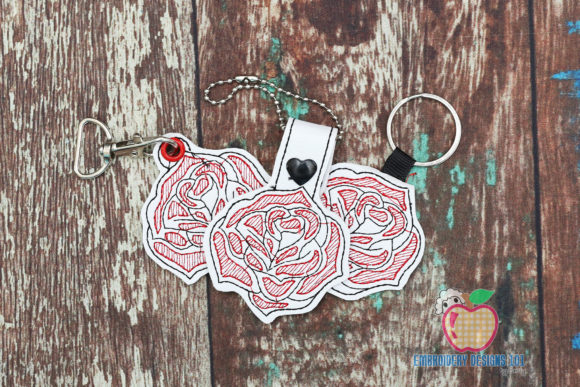
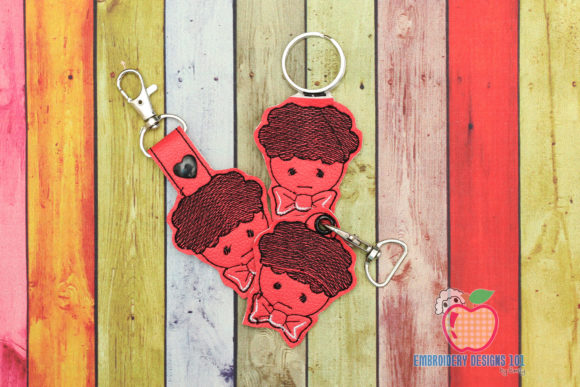
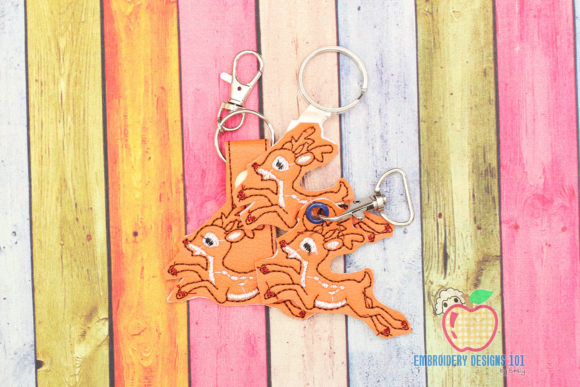
Given the name, the keyfob format is a natural fit. Fresh Cucumber in the Hoop Keyfob as a keychain or zipper pull is a fast-selling, low-price item that works well as an impulse buy. Small pouches with the design also sell well at craft fairs. The compact size makes it easy to produce several in one session. I recommend using a firm stabilizer and a tight stitch density to ensure the design holds up on small curved surfaces.
Pillow Covers and Home Decor
For a more decorative approach, Fresh Cucumber in the Hoop Keyfob on a small pillow cover or throw pillow can work, especially in a farmhouse-themed booth. The design reads as a charming accent. However, I would keep the pillow size smaller to maintain the scale of the vegetable motif. Larger pillows might make the design feel lost unless it is scaled up.
Selling and Production Strengths
From a business perspective, Fresh Cucumber in the Hoop Keyfob has several qualities that make it a strong craft fair product. The design is easy to understand at a glance, which is essential when customers are browsing quickly. The food theme is universally appealing and fits multiple seasons, from summer farmers markets to fall harvest displays. It photographs well for online listings. The green tones are vibrant and contrast nicely with neutral fabrics like cream, linen, or natural cotton. For Etsy sellers, this design works as a listing photo that pops against simple backgrounds. A printable mockup of the finished product will help customers visualize the item before buying.
The design also feels repeatable for batch production. If the stitch count is manageable and the thread colors are limited to a few greens and a highlight, you can produce multiple units in a single sitting. For a small shop product, that efficiency matters. You want designs that allow you to create inventory without constant thread changes or complex hooping.
Careful-Use Notes
No design is perfect for every application, and Fresh Cucumber in the Hoop Keyfob has a few considerations worth noting before you start production.
- Dense stitch areas: If the design includes heavy fill stitching for the cucumber body, watch for thread breaks or fabric puckering. Test on scrap fabric first. Use a sharp needle and a quality thread to maintain clean edges.
- Tiny details: Small elements like seeds or texture lines may lose clarity at smaller sizes. If you scale the design down for a keyfob or patch, check that every detail remains visible. If details become muddy, consider using a slightly larger hoop size.
- Small lettering: If the design includes text, confirm that it is large enough to read clearly. Small lettering on textured towels or thick fabric can become unreadable. Test on your chosen fabric before committing to bulk production.
- Thick fabric: On heavy canvas or denim, the design may require a larger needle and a stronger stabilizer. The stitch density may cause the fabric to distort if not properly hooped.
- Textured towels: Terry cloth or waffle weave towels can swallow detail. Use a water-soluble stabilizer on top to keep stitches visible and prevent sinking.
- Curved cap surfaces: If you plan to embroider on caps, the design needs to be small enough to fit a curved surface without distortion. Fresh Cucumber in the Hoop Keyfob may work better on flat products unless you test it thoroughly on a cap hoop.
- Dark fabric: Green thread on dark fabric may not contrast well. Test on dark backgrounds to ensure the cucumber shape reads clearly. A white or light green underlay can help.
Visual Appeal and Customer Engagement
At a craft fair, the products that sell best are the ones that make customers stop, smile, and pick up the item. Fresh Cucumber in the Hoop Keyfob has that kind of appeal. The vegetable motif feels friendly and approachable. It invites conversation. Shoppers will say, Oh, that is so cute! or My mom loves cucumbers. That kind of engagement leads directly to sales. The design also adds perceived value to any product it is placed on. A plain tote bag becomes a giftable item when embroidered with a charming vegetable. The same is true for tea towels, aprons, and keyfobs.
For booth display, group several products featuring the same design together. A small rack of keyfobs, a stack of tea towels, and a few tote bags all with Fresh Cucumber in the Hoop Keyfob create a cohesive visual story. Customers will see the design repeated and recognize it as a signature item. That consistency builds brand recognition and encourages multiple purchases.
Practical Embroidery Designer Notes
Before you start selling, I recommend a few practical steps to ensure the finished product meets your quality standards.
- Test on scrap fabric: Always stitch the design on a fabric similar to your final product. Check for any issues with stitch density, thread tension, or fabric distortion.
- Check thread contrast: The green shades should have enough contrast against each other and against the background fabric. If the design uses multiple greens, verify that they are distinct enough to show detail.
- Review spacing: Ensure the design has adequate margins around the edges, especially if you are making keyfobs or patches that will be cut out. Tight spacing may cause design elements to be cut off.
- Confirm hoop size: Check the recommended hoop size for the embroidery file. If you plan to scale the design, confirm that your hoop can accommodate the adjusted size without distortion.
- Inspect stitch density: Dense fill areas can cause fabric to pucker or thread to break. If the design feels too dense, consider using a lighter stabilizer or adjusting the stitch count in your software.
- Use the right stabilizer: For most cotton and linen products, a tear-away stabilizer works well. For stretchy or thick fabrics, use a cut-away stabilizer to maintain shape.
- Create at least one real mockup: Before listing on Etsy or displaying at a craft fair, make a physical sample. A real mockup helps you evaluate the design in person and gives you a photographable product for online listings.
- Compare fabric colors: The design works best on light to medium neutral fabrics. Test on your chosen fabric color to ensure the green tones pop.
- Confirm commercial licensing: Before selling finished products, review the license terms that came with the digital embroidery file. Ensure you have the right to sell items made from the design. If you are unsure, contact the designer for clarification.
Final Thoughts on the Design
Fresh Cucumber in the Hoop Keyfob is a solid addition to any embroidery business that targets craft fair shoppers and handmade market customers. The food theme is approachable, the design is visually clear, and the finished products have strong gift appeal. Tea towels, tote bags, aprons, and keyfobs are all excellent product choices. The design performs best on flat, light-to-medium weight fabrics with proper stabilizer support. With careful testing and batch production, this design can become a reliable seller in your booth. If you are looking for a machine embroidery design that connects with customers and moves product, this one is worth the hoop time.