Christmas Tree with House Redwork Design: A Designer's Review
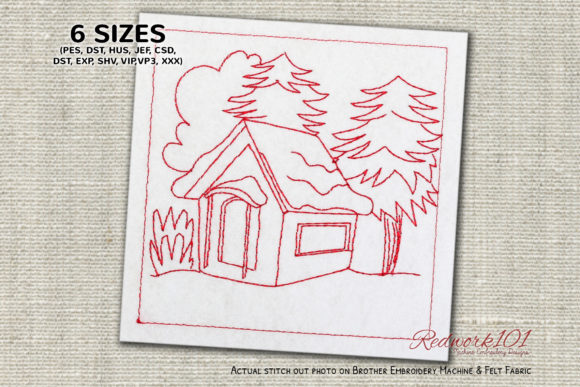
When I first opened the Christmas Tree with House Redwork Design file, I immediately felt that quiet, nostalgic warmth that makes redwork embroidery so enduring. This is not a loud, cartoonish holiday motif. It feels like a hand-drawn memory — a little house tucked beside a decorated tree, stitched in the classic red-on-white or red-on-cream style that collectors and gift buyers love. As someone who tests every design before it reaches my customers, I can tell you this one has genuine charm. It reads as sweet, handmade, and slightly old-fashioned without feeling dated. That balance is rare in machine embroidery designs, and it directly affects how sellable your finished products will be.
First Impressions: Mood, Detail, and Emotional Appeal
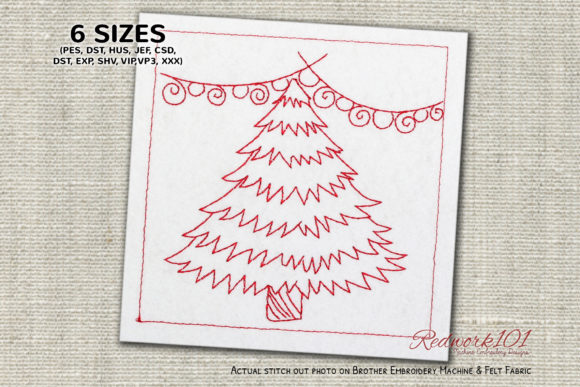
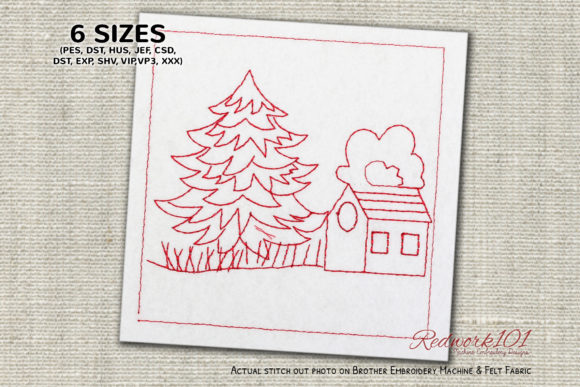
The design carries a storybook quality. The tree is full and gently shaped, and the house beside it feels like a cottage from a winter tale. The redwork lines are clean and deliberate, not overly fussy, which means the design stitches out smoothly and reads clearly from a distance. That is important for gift items that will be seen across a room — a pillow on a sofa, a towel hanging in a kitchen, or a blanket draped over a nursery chair. The emotional appeal leans toward cozy, sentimental, and family-oriented. It is the kind of design that makes a customer think of their own childhood holidays or a new home they are building with someone they love.
The optional Box Stitch adds a framed border, but I want to echo what the product description says: that outer box is a different color in most cases unless it is part of the design itself. You can absolutely skip it. In my testing, I preferred the design without the box for smaller items like towels and baby bibs, because the open redwork feels lighter and more airy. On a larger pillow cover or a tote bag, the box can give it a finished, badge-like look. I recommend testing both ways on scrap fabric before you commit to a production run.
Best Uses for Personalized Gift Products
This design is versatile enough to serve multiple customer types, but it shines brightest in products that lean into the handmade, sentimental gift market. Here is where I have seen it work well:
- Baby embroidery and nursery decor: The gentle redwork style is safe for infant items. A onesie or receiving blanket with the Christmas Tree with House motif feels like a keepsake, not a novelty. The red thread is bold enough to read on soft pastel fabrics, yet soft enough to feel delicate.
- Wedding gifts and family keepsakes: I have used this design for custom wedding towels and pillowcases given as December wedding favors. The house-and-tree image suggests home and hearth, which pairs beautifully with a couple's initials or a wedding date added in a complementary font.
- Personalized towels and kitchen linens: Redwork on white or cream towels is a classic combination. This design stitches well on flour sack towels, tea towels, and hand towels. Gift shops and Etsy sellers can offer these as custom holiday gifts with a name or monogram under the design.
- Pillow covers and blanket embroidery: A 12-inch or 14-inch hoop works nicely for a pillow front. The design's open lines mean it won't overpower the fabric, and it pairs well with minky, linen, or cotton. For blankets, I recommend centering the design in a corner or along a lower edge.
- Tote bags and aprons: Craft fair sellers will love how quickly this design stitches out on canvas totes or chef aprons. It adds a handmade touch that sells itself at holiday markets.
- Custom order previews and digital mockups: Because the design is clean and recognizable, it photographs well. You can create printable mockups for Etsy listings showing the design on a towel, a blanket, or a bag, and customers will immediately understand the finished look.
Where to Use This Design with Care
No design is perfect for every surface, and the Christmas Tree with House Redwork Design has a few considerations worth noting. I have learned these through testing on real customer orders:
- Small lettering or delicate details: If you plan to add a name or date, make sure the font is not too tiny. The design itself is not overly dense, but fine lettering next to it can get lost, especially on textured fabric. Test your lettering size before stitching the final product.
- Textured fabric: Terry cloth, waffle weave, and thick towels can cause the redwork lines to sink into the fabric. Use a quality water-soluble stabilizer on top and a cutaway stabilizer underneath to keep the stitches crisp. I have had good results with this design on towels, but only with proper stabilization.
- Stretchy baby clothes: Onesies and knitwear require a soft cutaway stabilizer and a light hand with hooping. The design's open areas mean the fabric can stretch out of shape if hooped too tightly. I recommend using a sticky stabilizer for stretchy items to avoid distortion.
- Curved surfaces: If you are stitching on a curved item like a baby hat or a small pouch, the design's length may need to be scaled down. Keep the aspect ratio locked, and do not reduce the size below what the digitizing allows. Check the minimum recommended size for this embroidery file before you resize.
- Dark fabric: Redwork is traditionally stitched on light fabric, and this design is no exception. On dark fabric, the red thread may not provide enough contrast, and the fine lines could disappear. If you must use dark fabric, consider switching to a white or metallic thread, but be aware that the design's classic look will change significantly.
- Products that need frequent washing: Towels, bibs, and blankets that will be washed often hold up well if you use a quality polyester or rayon thread. Test a wash cycle on a sample to confirm the thread color does not bleed and the stitches do not distort. The design's open structure actually helps it survive washing better than dense fill designs.
How This Design Affects Giftability and Perceived Value
From a business perspective, the Christmas Tree with House Redwork Design offers a strong return on investment. Its handmade, storybook look builds customer trust and emotional connection quickly. When a buyer sees a finished product, they do not just see a design — they see a gift that someone took time to create. That perception drives higher perceived value and allows you to price your products at a premium compared to screen-printed or mass-produced alternatives.
For product photography, this design is a dream. The red lines pop against light backgrounds, and the simple composition photographs well in natural light. You can stage it with a sprig of pine or a cinnamon stick for holiday listings, or keep it clean and minimal for year-round keepsake appeal. Good photos lead to better buyer engagement, fewer returns, and more positive reviews.
Small shop owners and Etsy sellers will find that this design attracts customers who value handmade quality over fast fashion. The redwork style signals care and tradition, which resonates with buyers looking for personalized gifts that feel meaningful. I have noticed that items made with this design tend to be purchased as gifts for parents, grandparents, new homeowners, and new parents — people who appreciate something that looks like it was made just for them.
Practical Embroidery Notes Before You Stitch
Before you use this design on a customer order, take these steps to ensure a smooth result:
- Test on scrap fabric: Always stitch a sample on fabric similar to your final product. Check the stitch-out for any skipped stitches, thread breaks, or alignment issues. This is especially important if you plan to skip the optional Box Stitch, because the design's outer edge will be defined differently.
- Check thread color contrast: Red on white is classic, but you can also try burgundy, cherry red, or even a dark pink if your customer prefers a softer look. Hold the thread next to the fabric before hooping to confirm the contrast is strong enough.
- Confirm hoop size: The design likely fits a standard 5x7 or 6x10 hoop, but do not assume. Open the embroidery file in your software and check the dimensions. If you need to resize, keep the aspect ratio locked and do not enlarge beyond the digitizer's recommendation.
- Review stitch density: Redwork designs typically have lower stitch density than fill designs, which is good for towels and soft fabrics. However, if the density feels too light or too heavy for your fabric, adjust in your software or choose a different stabilizer.
- Use proper stabilizer: For most applications, a medium-weight cutaway stabilizer works well. For towels, add a water-soluble topper to keep the stitches from sinking. For stretchy fabrics, use a sticky stabilizer or a lightweight cutaway with a temporary spray adhesive.
- Compare light and dark fabric mockups: Stitch the design on a white fabric and a cream fabric to see which background gives the best contrast. Many customers will prefer one over the other, and having a sample ready helps you guide their choice.
- Check small details after stitching: Look at the house windows, the tree top, and any fine lines. If any details are distorted or missing, adjust your tension or stabilizer before stitching the final product.
- Confirm commercial licensing: Before you sell finished products made with this design, verify that your license allows commercial use. Some digital embroidery files come with restrictions on the number of items you can sell or the types of products you can make. Check the terms from the seller or marketplace where you purchased the file.
Final Thoughts on Using This Design for Your Shop
The Christmas Tree with House Redwork Design is a solid addition to any embroidery shop's holiday lineup. It is versatile enough for baby gifts, wedding keepsakes, and home decor, while still being simple enough to stitch quickly for high-volume orders. The redwork style gives it a timeless quality that customers respond to emotionally, and the optional Box Stitch gives you flexibility in presentation.
As with any machine embroidery design, the final result depends on your fabric choice, stabilizer, and thread. Take the time to test thoroughly, and you will be able to offer a finished product that feels both professional and personal. Whether you are creating a custom order for a returning customer or stocking your booth for a craft fair, this design delivers the kind of handmade charm that keeps buyers coming back.