Fireplace with Owl Redwork
The First Impression
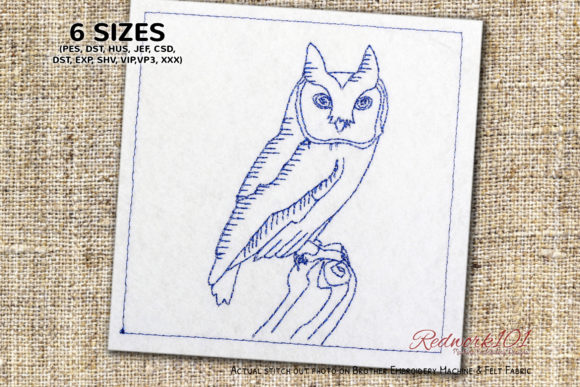
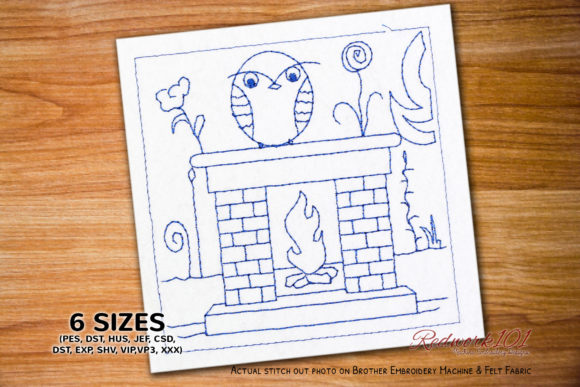
Fireplace with Owl Redwork immediately evokes a cozy, rustic charm. The design feels like it belongs in a cabin, a handmade quilt, or a personalized gift for someone who appreciates the quiet beauty of nature. The owl is central, perched near a fireplace, creating a warm and inviting scene. The layout is balanced, with enough detail to be visually interesting but not overwhelming.
The redwork style adds a classic, handcrafted feel. It’s ideal for projects that aim to feel authentic and nostalgic. This design would work well as an embroidered patch, a tote bag design, or a holiday ornament. It has a clear visual personality that makes it stand out in a crowd of more generic designs.
Real-Life Embroidery Use Cases
When considering Fireplace with Owl Redwork for real projects, it’s important to think about where it will be placed. For custom apparel, such as sweatshirts or t-shirts, this design can add a unique touch that sets your product apart. It’s also great for baby items, like onesies or blankets, where the imagery can be both comforting and decorative.
For small business owners, Etsy sellers, or craft entrepreneurs, this design could be a valuable addition to your product line. It’s versatile enough to be used on aprons, pillow covers, or kitchen towels. The design’s simplicity makes it easy to adapt to different fabric types and project sizes.
As a digital product seller, you might consider offering printable mockups or digital embroidery files. Fireplace with Owl Redwork could be part of a collection focused on birds or nature themes. Its clean lines and strong visual presence make it suitable for both personal and commercial use.
Where to Be Careful
While Fireplace with Owl Redwork is a solid design, there are some situations where it may not perform as well. If you’re working with small hoop sizes, you might find that some details are lost or distorted. The design’s size and complexity could require a larger hoop than expected, so always check the recommended hoop size before starting.
Textured fabrics or thin, stretchy materials can also be a challenge. The stitch density and thread colors need to be carefully chosen to ensure the design looks good on these surfaces. Dark fabrics may require a different thread color to maintain visibility, and layered garments can complicate the placement of the design.
For curved surfaces like caps or hats, the design may need some adjustment to fit properly. Tiny lettering or intricate corners could be difficult to stitch accurately. Always test the design on scrap fabric first to see how it translates to your chosen material.
Impact on Visual Appeal and Product Value
Fireplace with Owl Redwork has a strong visual appeal that can elevate the perceived value of any handmade product. When stitched correctly, it adds a level of craftsmanship that customers appreciate. This is especially important for handmade items, where attention to detail can make a big difference in customer satisfaction.
For commercial embroidery projects, the design’s clarity and consistency are key. It needs to look sharp on both light and dark backgrounds, which means careful consideration of thread colors and stabilizer use. A well-executed design can increase customer trust and encourage repeat purchases.
As a personalized gift, this design offers a meaningful and thoughtful option. It’s perfect for holiday gifts, wedding presents, or custom items for friends and family. The owl and fireplace imagery have a universal appeal that can resonate with a wide range of buyers.
Practical Designer Notes
Before using Fireplace with Owl Redwork in your next project, take the time to test it on scrap fabric. This will help you understand how the stitches translate to your chosen material. Check the stitch density to make sure it’s appropriate for the fabric type and project needs.
Review the thread colors to ensure they contrast well with your fabric. Some designs may require a specific thread shade to look their best. If the outer box is a different color, decide whether you want to include it or skip it based on your project’s aesthetic.
Confirm the hoop size required for the design. If it’s larger than your machine allows, consider breaking the design into sections or adjusting the layout. Also, inspect small details like the owl’s eyes or the fireplace texture to ensure they’re visible and well-defined.
Test the design in black and white mockups to see how it looks without color. Compare it on light and dark fabric backgrounds to determine the best thread choices. Use the right stabilizer to prevent puckering or distortion, especially on delicate or stretchy materials.
Finally, confirm that the design is suitable for both personal and commercial use. Check the licensing terms if you plan to sell finished products or digital files. Make sure the design aligns with your brand’s style and the expectations of your target audience.