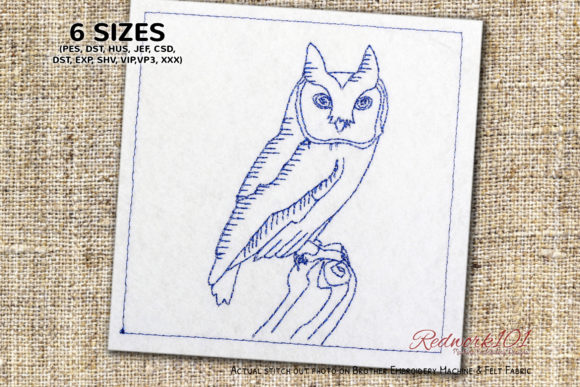
Owl Sitting Upon a Tree Branch Redwork
As an embroidery designer who spends most weekends either behind a digitizing tablet or standing at a craft fair booth, I’ve developed a thick skin when it comes to evaluating designs. I don’t just look at how pretty something is—I look at how fast it stitches, how it handles different fabric textures, and whether it will actually sell from a table display. When I first opened the Owl Sitting Upon a Tree Branch Redwork machine embroidery design, I immediately recognized its potential as a reliable, high-margin craft fair product. The classic redwork aesthetic, combined with the universally appealing owl motif, makes this a strong contender for any handmade shop owner’s product lineup. Let’s break down exactly how this design performs in the real world of craft fairs, Etsy shops, and boutique production.
The Classic Appeal of Redwork for Handmade Markets
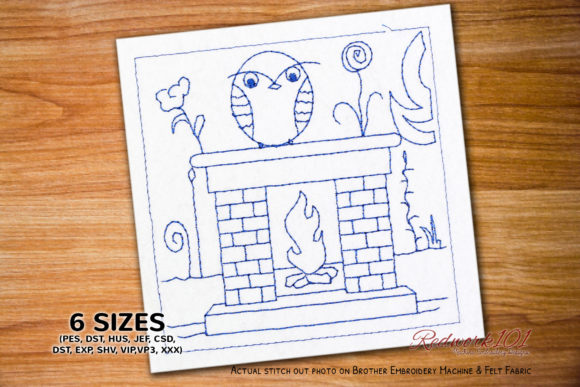
The first impression of this embroidery file is one of timeless, rustic charm. Redwork has a built-in nostalgia that feels both premium and approachable. It’s not flashy or overly modern; instead, it reads as warm, farmhouse, and handmade with care. The optional Box Stitch, which the description notes is often a different color, adds a versatile framing element. You can stitch it all in the same red for a classic look, or use a contrasting thread like navy or charcoal to give the design a “framed picture” feel. This flexibility is a huge asset for a small shop product. It allows you to offer variations without needing a completely new file. For a craft fair, this design encourages customers to lean in and inspect the stitching, which is exactly the kind of engagement that leads to a sale.
Matching the Design to the Right Blank
Not every embroidery design works on every surface. The Owl Sitting Upon a Tree Branch Redwork is surprisingly versatile, but it truly shines on specific products. Here is how I would evaluate it for my own booth:
Tea Towels and Kitchen Linens
This is the natural home for this design. Redwork and flour sack towels are a match made in heaven. The simple lines and moderate stitch density allow the fabric to drape naturally. The optional Box Stitch acts as a built-in border, giving the finished product a polished, giftable look. This is your bread-and-butter product for this design. Stitch out a dozen in different colors of thread (classic red, black, or even a deep teal) and watch them fly off your table.
Tote Bags and Market Bags
An owl sitting on a branch is a natural conversation starter for a reusable market bag. The design is large enough to be a bold focal point without the stitching being so dense that it puckers the fabric. Pair this with a natural canvas tote bag design, and you have a product that appeals to eco-conscious shoppers and nature lovers. It photographs beautifully for Etsy listings, especially when styled with a book or some fresh greenery peeking out of the bag.
Pillow Covers and Home Decor
This is where the design can command a higher price point. Centered on a pillow panel, the Owl Sitting Upon a Tree Branch Redwork becomes a stunning piece of rustic wall art or a cozy accent pillow. The Box Stitch is particularly useful here, as it mimics a physical frame. This elevates the product from “embroidered fabric” to “decorative art piece.”
Patches, Caps, and Aprons
While the design is robust for larger items, it scales down reasonably well for smaller surfaces. On an apron bib, it adds a touch of farmhouse charm. For an embroidered patch, the simple shapes translate well, provided the digitizing doesn’t rely on overly dense fills. On a curved cap surface, the design’s open spacing is a benefit, as it allows the cap to keep its shape without being stiffened by heavy stitching. Always test the scale before committing to a production run, as the branch details can lose clarity at very small sizes.
Production Reality: Speed, Density, and Profit
For a craft fair seller, time is money. The Owl Sitting Upon a Tree Branch Redwork is a dream for batch production. Redwork is historically known for its low stitch density and minimal thread color changes. This means you can produce a high volume of finished products in a single afternoon. The optional Box Stitch will add to the stitch count, but it also adds to the perceived value. I recommend stitching out a version with and without the box to see which sells better. For a tea towel embroidery, a version without the box may feel more open and airy, while the box creates a more formal, finished look. Both have their place in a booth display. The key is that the design itself is efficient enough to allow for profitable pricing while still delivering that high-quality handmade look.
Careful-Use Notes for a Flawless Finish
No design is perfect for every situation. Here are the critical production notes I take into account when working with this embroidery file:
- Dense Stitch Areas & Tiny Details: The owl’s eyes and the branch texture act as the focal details. If you over-shrink the design, these details can become muddled. I recommend keeping the design at least 80% of its original digitized size. If the file has a high stitch count in the eyes, consider using a smaller needle (size 75/11) to ensure the fabric isn’t perforated.
- Fabric Texture & Thick Materials: On textured towels, the red thread can sometimes sink into the loops. Use a medium-weight cut-away stabilizer or a topper (water-soluble film) to keep the stitches popping on top of the fabric. Avoid stitching this design on very thick fabrics like heavy terry cloth without extensive testing, as the branch lines may distort.
- Dark Fabric: Red thread on dark fabric (black, navy, or forest green) has very poor visibility. If you want to use this design on a dark tote bag design, you must use a white or light-colored underlay, or stitch the entire design on a separate piece of fabric and appliqué it onto the bag. For best results, stick to natural, cream, white, or light gray blanks.
- Curved Cap Surfaces: The design’s open spacing is a benefit here, but hooping is critical. Use a cap frame or a firm cut-away stabilizer to prevent the fabric from shifting. The Box Stitch, if used, must be perfectly aligned to avoid a crooked frame on the finished cap.
- Thread Color Choice: The description notes that the box color is often different. This is a great way to use up partial bobbins. For a classic look, use a single red. For a more modern farmhouse look, use a dark brown or black thread for the box and keep the owl in red.
From the Hoop to the Booth: Display and Sales Strategy
How you present this design is just as important as how you stitch it. The simplicity of the Owl Sitting Upon a Tree Branch Redwork makes it highly photogenic for printable mockups and Etsy listings. The single-color stitching creates a crisp, clean look that doesn’t require complex color matching in your photos. For your booth, use rustic props: display the towels on a wooden ladder, drape the tote bag over a stump, and place the pillow on a rocking chair. The “owl on a branch” theme naturally pairs with a woodland or farmhouse aesthetic. This emotional connection to nature and home is what drives the buyer’s decision. Before you cut the final product, always create one real mockup, compare fabric colors, and confirm your commercial licensing. A perfectly stitched product builds brand trust and loyalty, ensuring customers come back to your booth at the next market. The Owl Sitting Upon a Tree Branch Redwork is a classic design that, when executed with care, will consistently deliver strong sales for your handmade business.